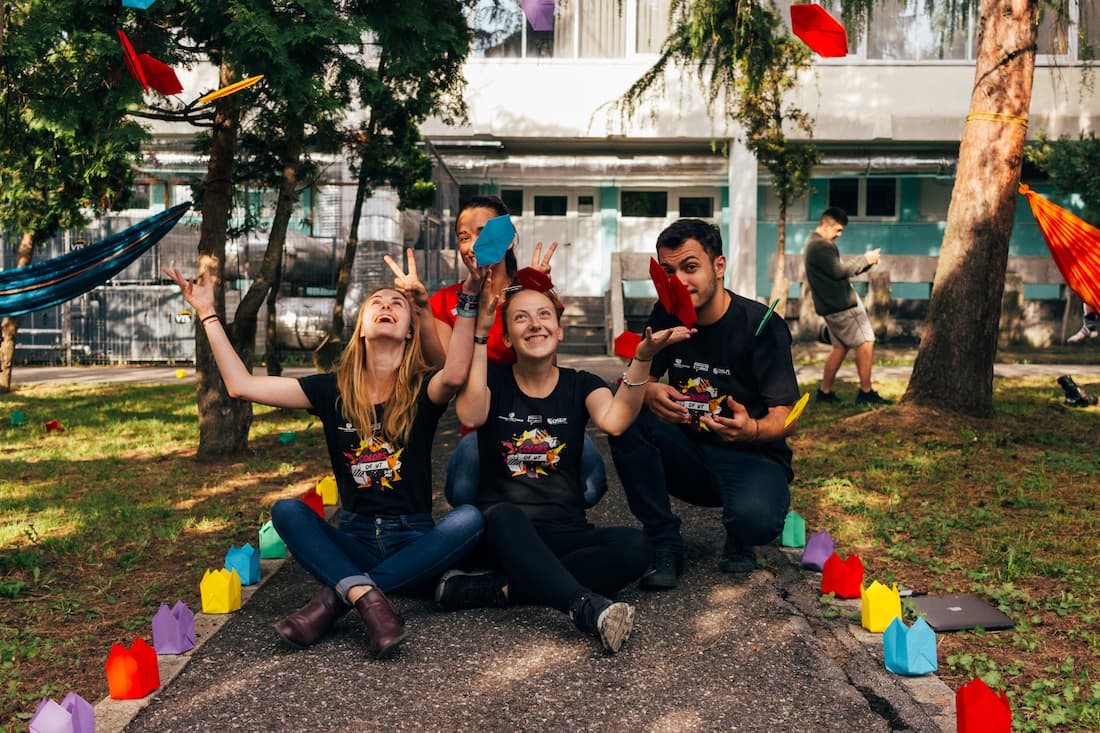

When your volunteer team is working hard week after week, sometimes what everyone really needs is not just another meeting—but a celebration. A themed gathering invites energy, connection and joy. When you plan a community-focused event that combines fun with purpose, you not only reward your volunteers—you also create momentum for future service. Here’s a guide to how you can host a themed volunteer celebration that gives back, strengthens your community, and plants seeds for what comes next.
Why social gatherings for volunteers matter
Volunteering is deeply rewarding—but it also demands time, emotion and energy. Bringing your group together in a non-task environment helps in several ways:
- Boost morale & reinforce team spirit. Volunteering together builds camaraderie, but stepping out of the “work” mindset into celebration helps people connect as humans, not just as task-doers.
- Strengthen relationships and retention. When people feel socially connected, they’re more likely to stick around. The social benefits of volunteering—like new friendships, a sense of belonging and increased purpose are well documented.
- Provide a gateway for recruitment. Invite friends, family or prospective volunteers to the event. Use the gathering as a relaxed way to introduce them to your mission.
- Re-energize and celebrate successes. Recognising milestone achievements (hours served, new volunteers onboarded, projects completed) in a festive way deepens the sense of value and recognition.
In short: the event is not just “fun” — it’s a strategic tool for community-building and sustaining your volunteering ecosystem.
Choosing a theme with meaning
A themed party doesn’t need to be over-the-top to succeed. The key is creating meaningful connections between the theme, the purpose of volunteering, and the people involved. Here are some thoughtful concepts:
- “Magical Welcome”: Frame the event as a “spell of kindness” and invite people to join teams like “houses” (e.g., red, green, blue) to encourage friendly competition or collaboration.
- “Heroes Among Us”: Celebrate volunteers as everyday heroes. Provide capes, badges, or simple decorations that highlight how service makes a difference.
- “House Teams” (à la Hogwarts-style): Create house-teams within your volunteer cohort for light-hearted contests (points for sign-ups, volunteer hours, referrals) and team-based activities. This is especially fun if you’re working with youth or mixed generations.
Whatever the theme, make sure it links to your mission. For example: “House Unity” could emphasise how different volunteers bring different strengths; “Magical Welcome” could emphasise how a single act of service creates ripple-effects.
Food ideas: Fun, themed, and inclusive

No celebration is complete without snacks and treats—but if you tie them into the theme, you raise the fun factor and keep things memorable. Here are some tips:
- Choose inclusive, simple, but thematic snacks that accommodate different dietary needs (vegetarian, allergy-friendly).
- Use colours, labels or playful names to tie the food into your theme (e.g., “Wizard’s Wand Pretzels,” “Hero-Hummus Dip,” “Team-Red Berry Cups”).
- Set up a station where volunteers can help themselves—this encourages mingling and light conversation.
For a wizard-inspired twist, consider snack ideas from a well-curated menu of themed food. You can borrow elements from it and tailor them to your volunteer gathering—colour-coded snacks for each house/team, for example, or a “spells & snacks” table.
Activities & décor aligned with volunteering
Let your theme spill into the decorations and the activities—while keeping everything anchored in service.
Décor ideas:
- Use banners or tablecloths in your house-team colours or hero-theme colours.
- Simple centrepieces: mason jars filled with candies or coloured pencils (which later get donated).
- “Points board” or “house scoreboard” to track volunteer hours, team sign-ups or upcoming projects.
- A “Wall of Thanks” where volunteers can write and stick notes of appreciation to peers, community partners or beneficiaries.
Activity ideas:
- Welcome-kits station. As part of the event, volunteers can assemble small kits (for example: hygiene kits, reading packs for children) and drop them off at a local partner organisation. While they do this, conversations flow and the event has a purposeful outcome.
- Thank-you card crafting. Provide blank cards, markers, stamps and invite volunteers to write thank you notes to local organisations, or to older adults in your community.
- Team challenge games. Based on your house-team or hero-theme, include light-hearted challenges (e.g., fastest kit assembly, most creative thank-you card) — emphasise that points will convert to “extra volunteer hours” or “special recognition”.
- Reflection circle. At the close, invite each team to share one highlight from their volunteering this year and one goal for the next. This helps transition the celebration back into action.
Logistics & inclusivity: cost-effective, accessible, sustainable
To ensure your gathering is accessible, affordable and sustainable, keep these considerations in mind:
- Budget-friendly tips: Use recycled décor or borrow items. Ask local businesses for snack donations. Choose DIY craft activities instead of expensive rental entertainment.
- Inclusive design: Choose a venue (community hall, school gym, local church space) that is physically accessible (ramps, wide aisles). Provide materials suitable for different ages and abilities (e.g., large-print instruction cards, adaptive tools for crafting).
- Time-considerate scheduling: Consider that volunteers may have varied schedules—some are families, some seniors, some students. Pick a time that accommodates a broad mix, or plan two shorter sessions.
- Minimal waste focus: Use washable tableware or recycled/compostable supplies. Set up clear bins for recycling and encourage sustainable practices.
- Diet-aware food planning: Label snacks clearly (vegetarian, vegan, gluten-free, nut-free) and have a few safe alternatives.
- Communications and sign-up: Use online sign-ups (with simple fields) and invite people to indicate any accessibility needs, allergies or guest counts. This helps you plan ahead and avoid last-minute surprises.
Invitations + Follow-Up: turning celebration into momentum
An event is great—but the real value comes from what happens next. Use your gathering as a springboard.
Invitation:
- Create a fun invite that reflects your theme (e-mail, social media graphic, printed flyer).
- Encourage people to RSVP and indicate whether they will bring a friend—this helps with recruitment.
- Include a “Bring one, recruit one” tagline (ask each current volunteer to bring a friend).
- Mention the purpose: “Gather, celebrate, build kits, and look ahead to our next project.”
During the event:
- Have a welcome speech that reaffirms mission, acknowledges achievements, and invites future participation.
- Provide a sign-up table where volunteers can explore upcoming projects, new team-leads and training opportunities.
- Use a “Next Project” board: display upcoming opportunities and let people pick one before they leave (even by writing down their name on a sticky note).
Follow-up:
- Within 24–48 hours, send a thank-you e-mail to all attendees, include a few photos from the event (with permission), a summary of what was accomplished (e.g., number of kits made, cards written), and an invitation to the next volunteer meeting or project.
- Highlight how the event’s activities (kits, cards) will directly serve local partners. This amplifies meaning.
- Ask for feedback: what did people like, what would they change, any theme ideas for next time?
- Use photos and stories in your newsletter or social-media feed to show non-attendees what fun they missed—and encourage them to join next time.
Why this fits your mission
At Connect 1+1 Help – School of Volunteering, your aim is to build a culture of community engagement, empowerment and connection. Hosting a themed volunteer party gives you multiple pay-offs:
- It re-energises current volunteers and reinforces social bonds.
- It showcases the fun side of volunteering—making service inviting and memorable.
- It converts gathering into action by including purposeful activities (kit-making, cards).
- It provides a natural recruitment path and sets up momentum for future projects.
- It stays aligned with your mission of “connecting two to help one” (volunteer pairs, community-pairs, service outcomes) by enabling connection and shared purpose.
Pre-event checklist:
- Venue booked (accessible)
- Supplies ordered: craft kits, thank-you card materials, decorations, snacks
- Snack menu finalised (accommodating dietary needs)
- Invitations sent and RSVPs tracked
- Volunteer roles assigned (greeter, activity leads, snack table, clean-up)
- Colour-coded team materials ready (badges, ribbons)
- Sign-up board for next projects printed
- Photo consent forms (if needed) prepared
- Post-event e-mail template ready
Final Thoughts
Hosting a themed volunteer celebration is more than a party—it’s a powerful way to build community, boost motivation and align fun with purpose. By selecting a meaningful theme, offering engaging activities, providing inclusive snacks (including creative themed treats), and linking the gathering to your mission and ongoing volunteer opportunities, you’ll create an event that resonates far beyond the evening itself.
If you want a little extra magic in the snack department, you might pull inspiration from a playful “wizard-inspired” menu. Swap a few titles, adjust the colours, and you’ll have treat-tables that delight all ages, while staying connected to your mission of service and connection.
Remember—this isn’t about perfection. It’s about inviting people to gather, share, build, and choose to help again. With a little planning and a lot of heart, your next celebration can become a bridge to the next act of service. Here’s to your volunteers, your community, and the ripple of good you are creating—one themed gathering at a time.